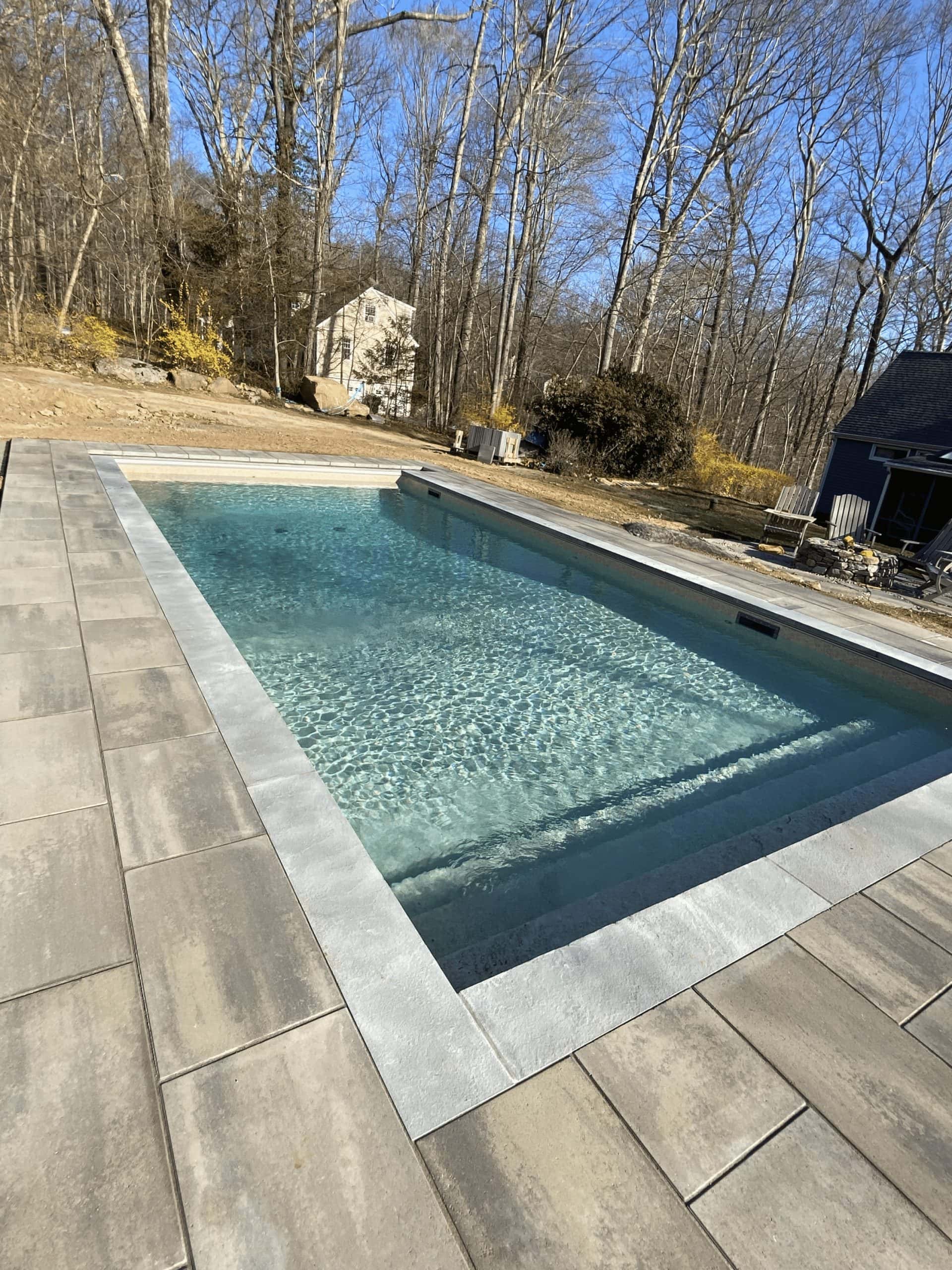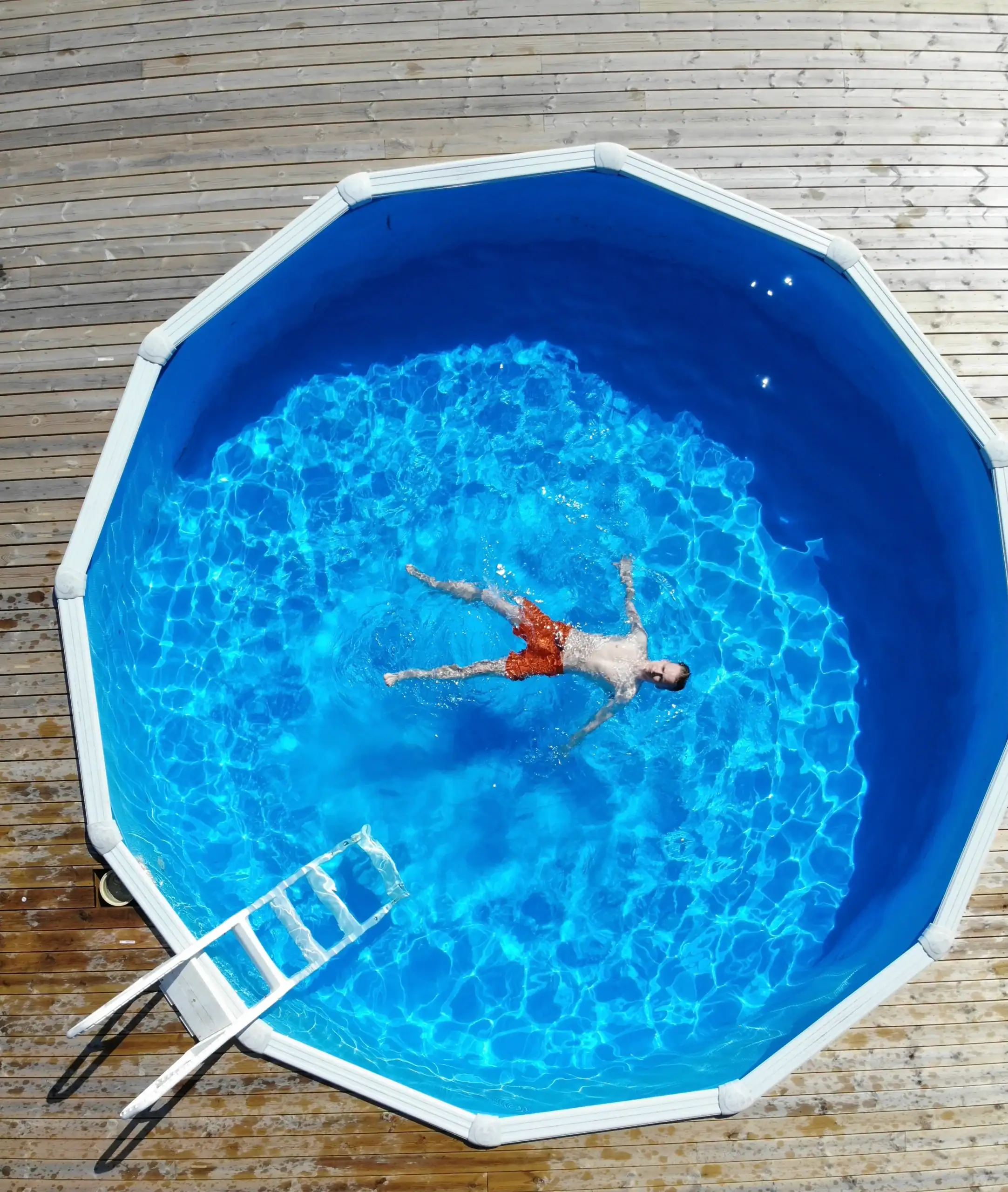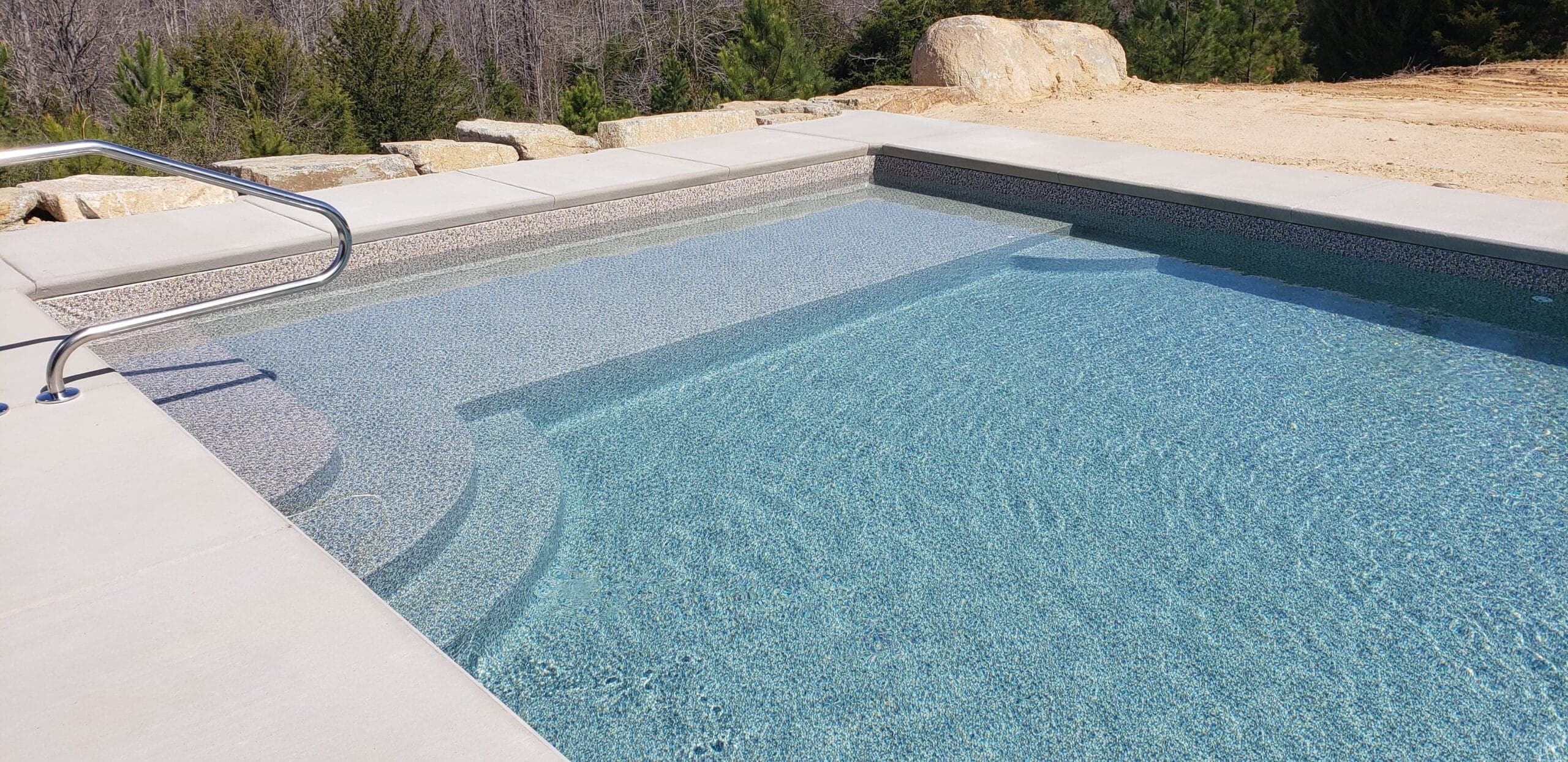
Nassau County pool owners don’t have a lot of margin for error. The swim season runs roughly from Memorial Day to Labor Day — about 14 weeks if you’re lucky. That means every day your pool sits unopened, or opens with the wrong chemistry or a missed equipment issue, is a day you’re not using what you paid for.
A lot of homeowners have been through the frustrating version of this: the green water, the pump that won’t prime, the service company that showed up late or not at all. This page is for the people who’ve had enough of that. Here’s what a proper pool opening actually looks like — and what Nassau County specifically requires before you get in the water.
What a Professional Pool Opening Service Actually Includes
There’s a version of “pool opening” that means someone removes your cover, drops in a jug of shock, and leaves. And then there’s the real thing. A proper pool opening service covers the full startup — cover removal without dumping debris into the water, winterization plug removal, equipment reinstallation, pump priming, filter inspection, heater startup, and a complete water chemistry test before anyone calls it done.
The difference matters because Long Island winters are real. Temperatures drop hard enough to crack pipes that weren’t fully blown out, damage pump seals, and stress filter media. When we open a pool, we’re not just checking that the system turns on — we’re inspecting every component for winter damage before pressurizing anything. Catching a cracked fitting before startup is a minor fix. Missing it means a flooded equipment pad and a repair bill you didn’t see coming.
Pool Safety Fence Requirements in Nassau County
Before your pool is legally ready to operate in Nassau County, the safety equipment around it needs to meet specific local standards — and those standards are stricter than what New York State requires on its own.
New York State law requires fencing around any pool deeper than 24 inches, with no opening larger than 4 inches. Nassau County goes further. In the Town of Hempstead, which covers a large portion of the county, pool fences must be at least 5 feet — or 60 inches — high. That’s a full foot above the state minimum. Fences need top and bottom rails, posts spaced no more than 8 feet apart, and self-closing, self-latching gates. Above-ground pools must sit at least 10 feet from any property line, and their access ladders or steps need to be securable when the pool isn’t in use.
These aren’t technicalities. They’re the legal baseline for operating your pool, and non-compliance creates real liability exposure if something goes wrong. A lot of homeowners assume their setup is fine because it passed inspection when the pool was installed — but codes get updated, hardware wears out, and gates that used to latch reliably sometimes don’t anymore. Part of a thorough pool opening is walking the perimeter and confirming everything is still in working order before the season starts.
If you have questions about permits or current code requirements specific to your municipality within Nassau County, the Nassau County Building Department is the right place to start. Requirements can vary by town and village, so it’s worth confirming what applies to your address rather than assuming the general rule covers it.
Why Long Island’s Climate Makes the Opening Process More Complicated
Pool opening guides written for warmer climates don’t quite apply here. Long Island’s winters are cold enough to cause real damage to pool plumbing and equipment, and spring on the North Shore and South Shore can stay unpredictable well into April. A warm week in late March doesn’t mean it’s safe to open — water temperatures in early April can still be in the 40s, and a late frost isn’t unheard of. Opening too early, before the risk of re-freezing has passed, can undo your winterization and cause the exact pipe damage you were trying to avoid.
Then there’s the spring debris situation. Oak tassels and pollen hit Long Island hard in April and May. If your cover isn’t managed carefully during removal, you’re pulling organic matter directly into the water before your filtration system is even running. That’s how you end up with a green pool on Memorial Day weekend despite doing everything else right.
For pools near the Long Island Sound or in coastal communities throughout Nassau County, salt air and local mineral content can also affect water chemistry and accelerate equipment corrosion in ways that generic chemical guides don’t account for. The chemistry balance needed to open a pool in Great Neck or Oyster Bay may not be identical to what a pool in a landlocked suburb requires. Local experience with Nassau County water conditions isn’t a small thing — it’s what separates an opener who knows what they’re doing from one who’s following a checklist without context.
Professional water testing at opening means a full chemical analysis: pH, total alkalinity, calcium hardness, cyanuric acid, and chlorine — not a strip test that gives you a rough read. Getting the balance right from day one protects your liner, your equipment, and the people swimming in it.
Pool Care Through the Season Starts With How You Open
The opening sets the tone for everything that follows. A pool that starts the season with balanced water, clean filtration, and properly seated equipment runs more efficiently, uses fewer chemicals, and gives you fewer surprises in July and August. A pool that opens with the wrong pH or a filter that wasn’t properly serviced will fight you all summer.
Pool care through the season isn’t complicated once the foundation is right — but that foundation matters more than most people realize. The opening is the single highest-leverage moment in the pool calendar. Everything downstream is easier when it’s done correctly.
Chemical Balancing at Opening: What Order Matters and Why
One of the most common DIY mistakes happens right here. Homeowners know they need chlorine, but the order in which you add chemicals — and what you test for first — determines whether those chemicals actually work.
If your pH is off when you shock the pool, the shock is significantly less effective. If your alkalinity is too low, pH will swing constantly and you’ll spend the whole season chasing it. Calcium hardness that’s out of range etches plaster or clouds the water. Cyanuric acid levels that are too high render chlorine nearly useless. These aren’t independent variables — they interact, and the sequence matters.
The right process starts with testing everything before adding anything. From there, alkalinity gets adjusted first because it stabilizes pH. Then pH is corrected. Then calcium hardness if needed. Then the sanitizer, and finally the initial shock treatment. Running the filter through all of this is non-negotiable — you can’t balance water that isn’t circulating.
For Nassau County pools coming out of a real Northeast winter, the opening chemistry is often more demanding than a mid-season adjustment. Water that’s been sitting cold and stagnant under a cover for five or six months needs more attention than a pool that’s been running all week. That’s not a problem — it’s just the reality of the climate, and it’s why professional chemical balancing at opening is worth what it costs. Getting it right on day one means you’re not spending the next three weekends trying to clear water that should have been ready before Memorial Day.
Professional Opening vs. DIY in Nassau County: What the Real Cost Comparison Looks Like
The DIY instinct makes sense on paper. You figure you’ll save a few hundred dollars, spend a Saturday on it, and be done. The reality is usually more complicated.
A professional pool opening in Nassau County typically runs between $300 and $600 for a standard residential pool. DIY costs — when you add up the equipment you’ll need (skimmer net, brush, test kit, plugs, cover pump if you don’t have one) and the chemicals for the initial balance and shock — often land in the same range. And that’s before accounting for your time. A professional team handles most residential openings in two to four hours. A homeowner doing it for the first time, or even the fifth time, can easily spend a full day — and still end up with water that needs another round of treatment.
The more important consideration for Nassau County specifically is the compliance piece. A professional opener familiar with local requirements will check that your fence hardware is functioning, that your gate latches correctly, and that your safety equipment meets current code before the pool goes into use. That’s not something a DIY checklist from a national pool supply blog is going to walk you through with any local specificity.
There’s also the equipment inspection angle. If a professional finds a cracked return line fitting or a pump seal that didn’t survive the winter, you know about it before it becomes a bigger problem. A homeowner who doesn’t know what to look for might miss it entirely — and then wonder why the pump is losing prime three weeks into the season.
For a simple above-ground pool with a straightforward setup and an owner who’s genuinely comfortable with the process, DIY can work fine. But for inground pools, complex equipment setups, or anyone in Nassau County who wants to be confident their pool is compliant and ready before the season starts — professional service is the cleaner answer.
Ready to Open Your Nassau County Pool the Right Way This Season?
Long Island’s swim season is short. The window between “too cold to open” and “Memorial Day weekend is here” closes faster than it feels like it should. Getting ahead of it — with a proper opening, correct chemistry, and a compliance check that actually reflects Nassau County’s requirements — is what separates a season that starts smoothly from one that starts in recovery mode.
Whether you need professional service, the right products to maintain your pool once it’s open, or just someone to talk through a question with, we’re set up to help. Our connection to JAS Aquatics means the service side is handled by a team that’s been working Long Island pools since 2009 and knows what Nassau County pools need coming out of a real winter. Our store at 456 East Jericho Turnpike in Huntington Station — along with direct phone support at 855-310-YARD — means you’re not navigating this alone.
The season’s coming. We’re here to make sure your pool is ready for it.
—
**Frequently Asked Questions**
**What does a pool opening service include?** A complete pool opening covers cover removal and cleaning, removal of winterization plugs from all return lines and skimmers, reinstallation of ladders, handrails, and other removed equipment, pump priming, filter and heater startup, and a full water chemistry test and balance. A thorough opening also includes inspection of the equipment for any winter damage — cracked fittings, worn seals, clogged filters — before anything is pressurized or turned on.
**How much does pool opening service cost in Nassau County?** Most residential pool openings in Nassau County run between $300 and $600, depending on pool size and system complexity. Inground pools with heaters, automation systems, or water features take longer and may cost more. DIY costs often land in a similar range once equipment and chemicals are factored in, without the inspection or compliance check that comes with professional service.
**When should I open my pool in Nassau County, NY?** Most Long Island pool owners aim to open by Memorial Day weekend, but the right timing depends on overnight temperatures more than the calendar. Opening too early — before the risk of late-April frost has passed — can expose your plumbing to re-freezing damage. Water temperatures in early April in Nassau County can still be in the 40s°F. A good rule of thumb is to wait until nighttime temperatures are consistently above 50°F and the forecast is stable. Local professionals familiar with Nassau County’s spring weather patterns can advise on timing specific to your setup.
**What are the pool safety fence requirements in Nassau County?** Nassau County’s Town of Hempstead requires pool fences to be at least 5 feet (60 inches) high — stricter than New York State’s 4-foot minimum. Fences must have top and bottom rails, posts spaced no more than 8 feet apart, and self-closing, self-latching gates. No opening in the fence can exceed 4 inches. Above-ground pools must be located at least 10 feet from any property line, and access ladders must be securable when the pool is not in use. Requirements can vary by municipality within Nassau County, so confirming with the Nassau County Building Department for your specific address is always the right move.
**How long does a professional pool opening take?** Most residential pool openings take two to four hours with a professional team. Larger inground pools with heaters, automation systems, or multiple water features may take longer. A DIY opening covering all the same steps — cover removal, equipment reinstallation, pump priming, water testing, and chemical balancing — typically takes a full day or more.
**Can I open my pool myself, or do I need a professional in Nassau County?** For a simple above-ground pool with a straightforward setup, a confident DIYer can handle the opening. For inground pools, complex equipment, or anyone who wants certainty that their pool meets Nassau County’s current safety and compliance requirements, professional service is the more reliable option. The compliance piece in particular — fence height, gate hardware, safety equipment — is something a local professional will check as part of the opening process in a way that a general DIY guide won’t cover accurately for Nassau County’s specific code requirements.